Reflecting on my time spent in rural and remote schools this past year

This past year I made a deliberate decision to change how I worked. Instead of thinking in terms of the sheer number of kids I could help, I decided to invest my time and energy helping those who needed it most. This was a tricky decision to make because I knew the financial and time costs involved, but what matters always costs.

Here are 4 lessons that I learned (or perhaps remembered) during the weeks I spent in rural and remote schools, and 7 things I’ve changed as a result of that experience.

4 lessons I learned

1. Unreliable travel routes create stress on teachers that isn’t really easy to quantify

My flights to places like Doomadgee and Aurukun were pretty messy. The worry about if you can get back or there is hard. Getting resources from other places flown in is expensive and unreliable. It’s not like it’s impossible, but it just always adds that extra level of stress to an otherwise tricky situation. It means you need to keep extra “long life” food on hand for when floods cut the roads, and it makes eating fruit and vegies far more difficult and expensive. And you always need contingency plans and the ability to drive a long way as needed in an emergency.

2. The teacher shortage is DIRE in rural schools, classes change teachers multiple times in a year, and leadership often have to teach full time on top of their normal jobs when they can’t find anyone

Keeping track of logins for different teachers is really hard when you have 13 of them in one class in a year (rural WA school I visited several times). Tracking kids’ progress is even harder. Asking teachers to create their own resources is basically impossible in that situation. Even following a program which requires retrieving tasks from a folder on a drive is just about unachievable because you have to keep providing logins to new people and making sure stuff doesn’t get accidentally deleted. Workbooks are a WAY better option because at least the class has some level of consistency. And effective teaching also can’t rely on reading lesson plans because those are going to get lost or ignored in the busy-ness. Differentiation is also just really hard under those circumstances, so resources need to be built from the ground up to meet the needs of classes that actually exist rather than requiring teachers to adapt along the way.

3. Teachers have to teach pretty much any subject as there isn’t someone else, and there’s a good chance that what you start with won’t be what you end the year with

Being adaptable and finding patterns in whatever you are teaching is WAY more important than being exceptionally good at any one subject. Finding connections between maths, and HAS, and science, and the arts, and HPE… matters more than teaching any one of them on their own.

Why? It helps teachers transfer knowledge and skills from a subject that they already know to a new subject that they have limited experience with. It also helps kids to create connections and makes learning stick better, even when taught by out of field teachers. I’m not talking about “thematic units” here, but more about connecting the numeracy and literacy demands in all subjects and using a similar core language between different disciplines.

4. Great leaders (or potential leaders) can be often overlooked because selection committees are based in cities and look at the wrong thing

In rural schools it’s more important to choose someone with a long-term commitment to the community than with a great resume. They will understand the complexities of the school in a way that an outsider can’t. You especially don’t want someone looking to be there only for a few years so they can improve their resume for other jobs – they tend to just randomly start new projects and cut off existing ones without fully understanding the ramifications or respecting the time spent by the teachers. Sometimes the new influx of skills and ideas is worth it, but less often than you might expect.

Having a longer-term plan is more important than any exceptional one-off course. PD even for a whole year doesn’t really work if the leadership and teachers just change. Sustainability requires follow up pretty regularly with built-in coaching, and the ability to adapt as new people join the team. The ability to connect online regularly is also really helpful to reduce the feeling of isolation for both teachers and for leaders.

So… what changes have I made as a result?

Learning isn’t learning if we don’t actually do anything about it. Here are 7 things I’ve changed in how I go about things to try and meet the real needs of teachers in rural and remote locations rather than the ones I thought they had.

1. I wrote new, multi-age workbooks.

6 of them so far and another two due in the next few weeks. I wrote them all to be multilevel and to not need lesson plans.

They are developmentally sequenced, so that you can just keep going when things change, and they have interleaved and spaced question sets so that they can be more easily used by part-timers or relievers and also build retention. Plus they have my normal in-built flexible time for when things just go wrong (one per week + one week per term + 3-4 extra weeks in term 4).

Check out the new books here. They are also licensable for schools who prefer digital copies.

2. I created Tier 3 resources and training, including a manual that details testing and an intervention response. I made square counters that could be easily used immediately for a variety of topics, and built in extra online time so attendees could ask me questions for a whole year.

Check out the upcoming courses here.

3. I ran more training for out of field teachers, created guides for looking at numeracy demands in non-maths high school subjects and ran more webinars on those topics.

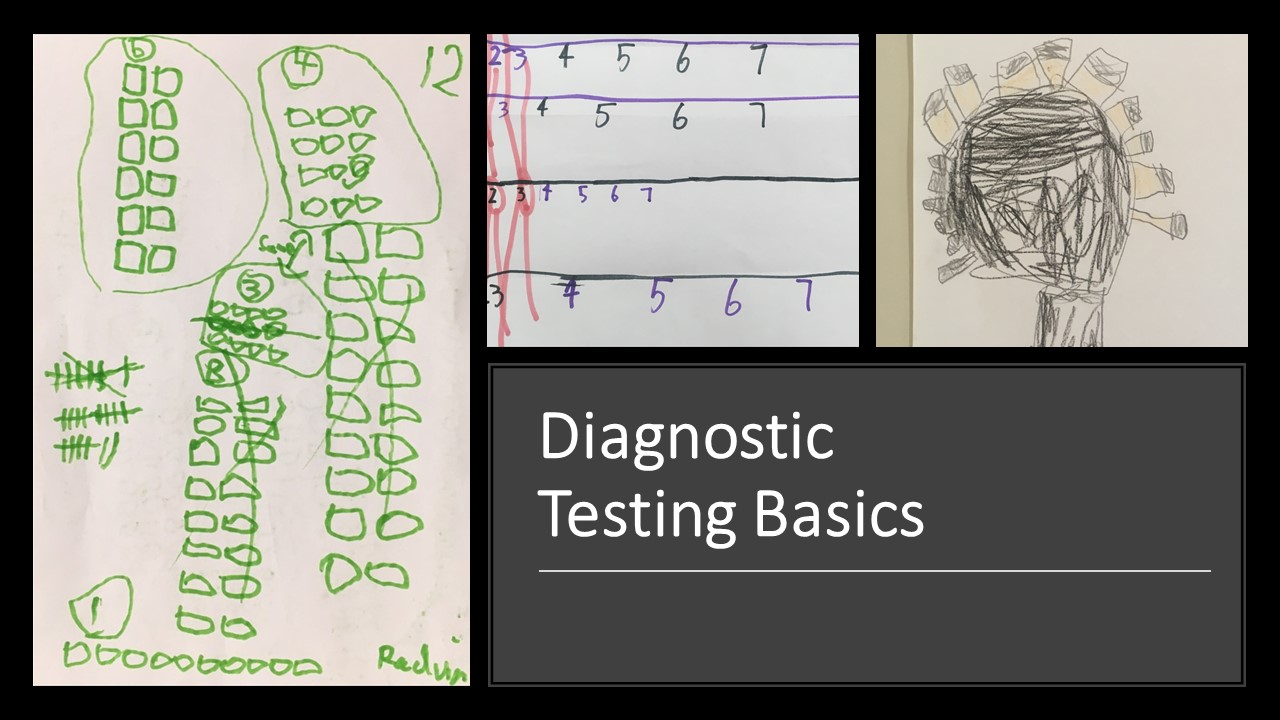
Also, here are some very quick diagnostic tests to get an idea of how your kids are going MUCH FASTER:

4. I created a printable workbook for kids who at in high school but working at year 2/3 level, to help catch up on basic primary-school number skills quickly. This is now available as a digital download which will be really helpful for high schools.

I created the 25 week program as a week-by-week guide, complete with weekly interleaved and spaced worksheets and also with extension tasks that could be done entirely independently. I included hand-drawn diagrams to show what you would actually write/draw and made sure that every lesson was self-explanatory.

You can also download the first 50 pages in non-printable format to check out here.

5. I allowed more time for travel and also got into the habit of checking with schools if they needed me to bring anything with me to save on transport costs and time. I found recipes I could make with limited ingredients and cooking facilities and learned to take emergency food supplies (and coffee and jigsaw puzzles) with me.

6. I also made sure to allow time to have dinner with leaders. Their workload was often not well-understood by their departments and they experienced unusual job pressures. They really needed someone external to talk to, who they could unload on and just share frustrations with. Usually they had already solved the problems and just needed someone to listen who was not their boss or staff, but sometimes sharing an outside perspective made a real difference too.

7. I really encouraged teachers to join the AAMT-based association in their own State, and to get to the conference. Connecting with other teachers is incredibly important for surviving.

It was great to see so many of them at the QAMT, MAWA and MASA conferences that I made it to last year as well.

QAMT photo

This year

I’m continuing to visit a bunch of rural locations, but I’m also starting up some new projects in capital cities to be able to support team leaders and teachers in a variety of places. This week I’m driving from Townsville to Yeppoon then on to Hervey Bay before heading to Brisbane and back (QLD: 31 hours of driving next week). Later this term I get to head to Albany and Beverley (WA: 12 hours of driving), then to Gatton and Gympie (SE QLD: 9 hours driving) as well as the usual capital cities visits in between. Just like for teachers, my travel time is done after hours or on weekends.

I’m choosing to do it because it matters to me.

I’m not really sure what long-term changes this means for me or for the way I work with teachers, but I know one thing for sure… I had forgotten some of how tough this could be and I want to make sure that I don’t forget again soon.

Supporting teachers is really important work and supporting teachers in tough situations is even more important. So, I’m in this for the long haul and open to whatever I need to learn next with that goal in mind.

Tierney

Share the Post:

Related Posts